Custom Coating Solutions for Unique Industrial Requirements
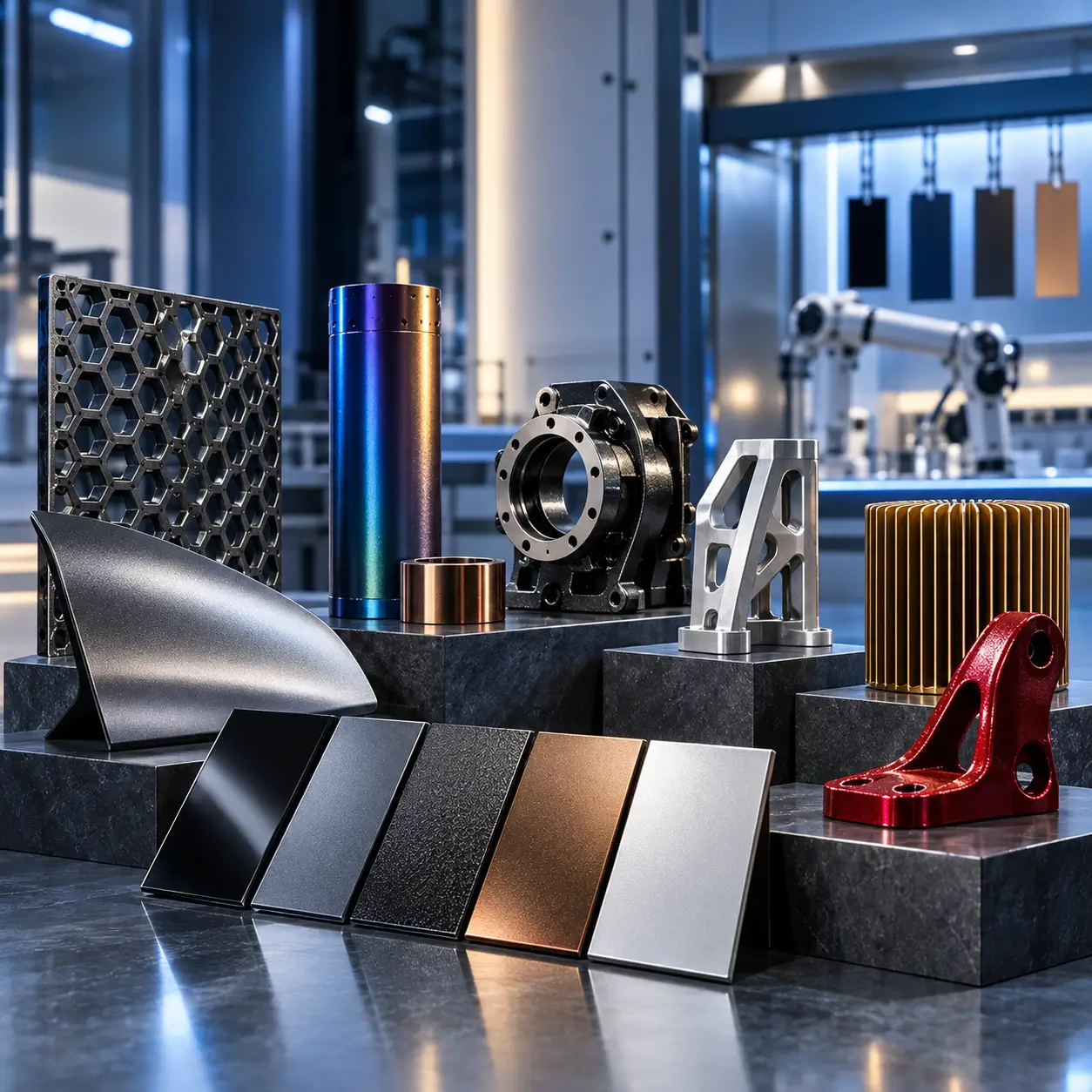
Discover how customized coating solutions can address specific industrial applications, environments, performance requirements, and industry standards
Why Coating Selection Matters
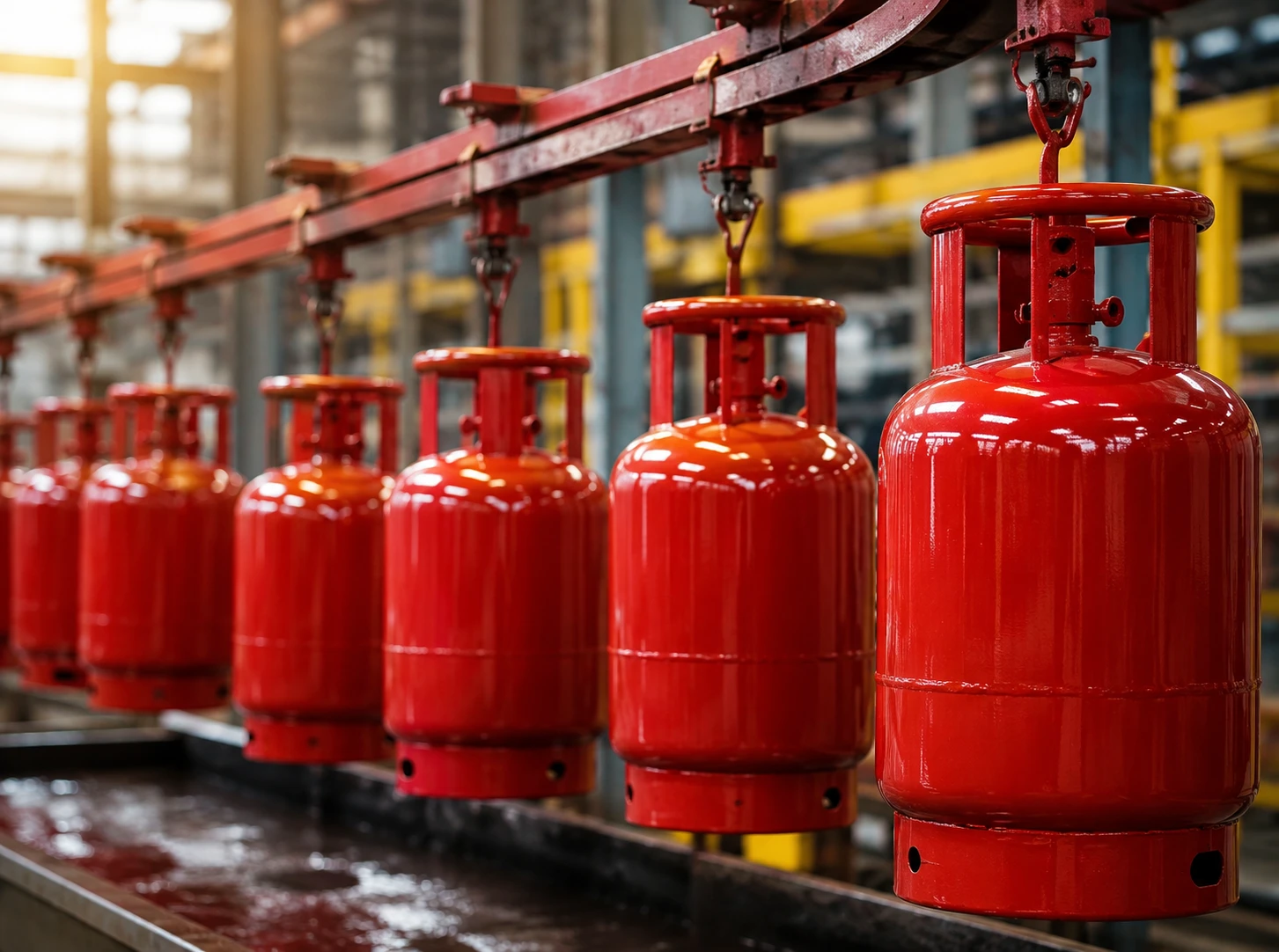
LPG cylinders are exposed to handling, transportation, moisture, temperature changes, and outdoor conditions. A suitable coating provides a protective barrier against corrosion and helps maintain the cylinder's appearance and performance over its service life
Key Requirements for LPG Cylinder Coatings
The coating system should be selected according to the cylinder material, manufacturing process, application method, and required performance. Important considerations include:
- Strong adhesion to the prepared metal surface
- Excellent corrosion and moisture resistance
- Good resistance to handling and mechanical abrasion
- Consistent finish and colour appearance
- Reliable performance under outdoor conditions
- Compatibility with the complete coating system
Water-Borne vs Solvent-Borne Coating Systems
Both water-borne and solvent-borne technologies can be considered for industrial coating applications. The appropriate choice depends on the manufacturing setup, application equipment, drying conditions, environmental requirements, and required coating performance.
Water-Borne Coatings
Water-borne systems use water as the primary carrier and can offer advantages where manufacturers are looking to reduce solvent emissions. Proper surface preparation, application control, and drying conditions remain important for achieving consistent results.
Solvent-Borne Coatings
Solvent-borne coatings have traditionally been used across many industrial applications and can provide reliable film formation and application characteristics. Their suitability depends on the production environment and the specific performance requirements of the cylinder.
Surface Preparation Is Critical
Even a high-performance coating can underperform when the substrate is not properly prepared. Cleaning, removal of contaminants, surface profiling, and appropriate pretreatment help establish a strong foundation for coating adhesion and durability.
Important Surface Preparation Steps
- Remove oil, grease, dust, and other contaminants
- Ensure suitable surface cleanliness before coating
- Apply the recommended pretreatment where required
- Maintain consistent surface conditions during production
- Control the time between preparation and coating
Application and Quality Control
Consistency is particularly important in high-volume cylinder manufacturing. Controlled application parameters, coating thickness, curing conditions, and inspection procedures help manufacturers maintain uniform quality from one production batch to another.
Key Quality Checks
- Surface cleanliness
- Coating thickness
- Adhesion
- Colour and gloss consistency
- Film appearance
- Curing or drying performance
- Corrosion resistance
Choosing the Right Coating Partner
The right coating solution should go beyond the product itself. Manufacturers should consider technical support, formulation expertise, quality consistency, application guidance, testing capabilities, and the ability to support production requirements at scale.
Conclusion
Choosing the right coating system for LPG cylinder manufacturing requires a balance of corrosion protection, adhesion, appearance, application efficiency, and long-term performance. By combining proper surface preparation, controlled application, and suitable coating technology, manufacturers can achieve dependable and consistent cylinder finishes.



 +91 73070 48696
 info@surfacepaints.com